Many common water softener myths create confusion for Tennessee homeowners, but the truth is simple: softeners remove hardness minerals like calcium and magnesium to reduce scale buildup and improve efficiency. They do not make water taste salty and work best when paired with proper testing, sizing, and complementary filtration systems.
Water softener myths often lead homeowners to delay or avoid solutions that could significantly improve their daily water experience. If you’ve ever noticed chalky buildup on faucets, cloudy dishes, or soap that doesn’t lather well, you’ve likely experienced hard water firsthand.
In Tennessee, hard water is common due to mineral-rich groundwater moving through limestone. While these minerals don’t pose a health risk, they can reduce efficiency and increase maintenance throughout your home. Understanding common water problems homeowners notice is the first step toward choosing the right solution.
Fact: Properly functioning softeners do not create a salty taste.
Fact: Softening and filtration serve different purposes.
Fact: Hardness is not a health concern—only an efficiency issue.
Fact: They help reduce scale and protect appliances.
Do Water Softeners Make Water Taste Salty?
Water softeners do not make water taste salty when functioning correctly.
This is one of the most common water softener myths. Softening works through ion exchange, where calcium and magnesium are replaced with small amounts of sodium. The amount added is typically minimal—often comparable to what you’d find in everyday foods like bread.
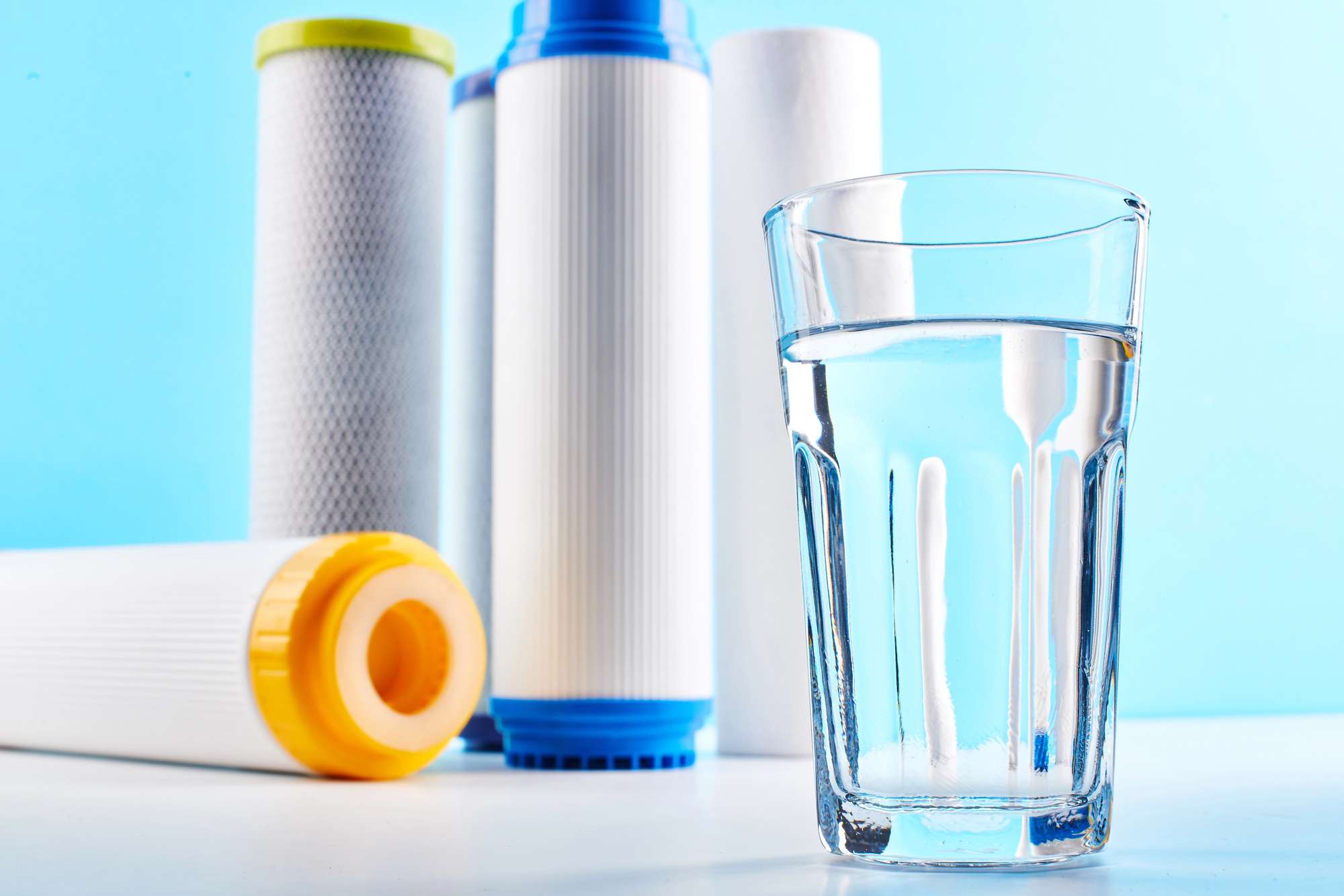
If taste is a concern, many homeowners choose to pair their system with a reverse osmosis system at the kitchen sink, which helps reduce dissolved solids for drinking and cooking.
Are Water Softeners Safe for Your Home and Health?
Water softeners are safe for household use and do not make water harmful to drink.
According to the EPA, hardness minerals like calcium and magnesium are not considered health risks. Instead, they mainly affect how water interacts with surfaces, soaps, and appliances.
Softened water is widely used in homes across Tennessee to improve comfort and efficiency. For households concerned about sodium intake, potassium chloride can be used as an alternative during regeneration.
Do Water Softeners Remove Contaminants?
No, water softeners do not remove contaminants—they are designed specifically to address hardness minerals.
This is where many hard water myths create confusion. A softener improves efficiency by reducing scale, but it does not filter chlorine, sediment, or other impurities. That’s why many homeowners combine softening with filtration.
A professional water test helps identify what’s actually in your water so you can choose the right combination of systems.
Is Hard Water Harmful or Just Inconvenient?
Hard water is not harmful to your health—it primarily affects efficiency and maintenance.
Hard water can leave residue on fixtures, reduce soap effectiveness, and cause scale buildup in appliances. Over time, this buildup can reduce efficiency and increase wear on systems like water heaters and dishwashers.
Why One System Doesn’t Solve Every Water Problem
No single water treatment system addresses every water issue.
Softening targets hardness, while filtration systems handle taste, odor, and contaminants. Many homes benefit from combining both approaches for a complete solution.
Exploring custom water treatment solutions helps ensure your setup matches your specific water conditions and goals.
Salt-Based vs Salt-Free Systems: What’s the Difference?
Salt-based systems remove hardness minerals, while salt-free systems only reduce how minerals behave.
This distinction is critical when evaluating water softener facts vs myths. True softeners use ion exchange to eliminate hardness, while conditioners help reduce scaling without removing minerals.
Choosing between them depends on your water chemistry, household needs, and desired outcomes.
Local Authority: Water Conditions Across Tennessee
Tennessee homeowners—from Nashville to Knoxville to Chattanooga—often deal with moderate to high water hardness due to limestone-rich groundwater sources.
This means scale buildup is a common concern across the region, especially in areas relying on well water or mineral-heavy municipal supplies. Local expertise is essential when selecting and sizing a system.
Working with professionals who understand regional water challenges ensures your solution is tailored to your home—not based on generic assumptions.
Water Softener FAQs
Do water softeners increase sodium significantly?
Can I use softened water for drinking?
Do I still need filtration with a softener?
How do I know if I have hard water?
Making Smarter Water Decisions for Your Home
Understanding the truth behind water softener myths helps you make confident decisions. Softening improves efficiency, protects appliances, and enhances everyday comfort—but it works best when paired with proper testing and system selection.
Every home has unique water conditions, so the best approach is one tailored to your specific needs. By separating myths from facts, you can choose solutions that truly improve your water experience.