
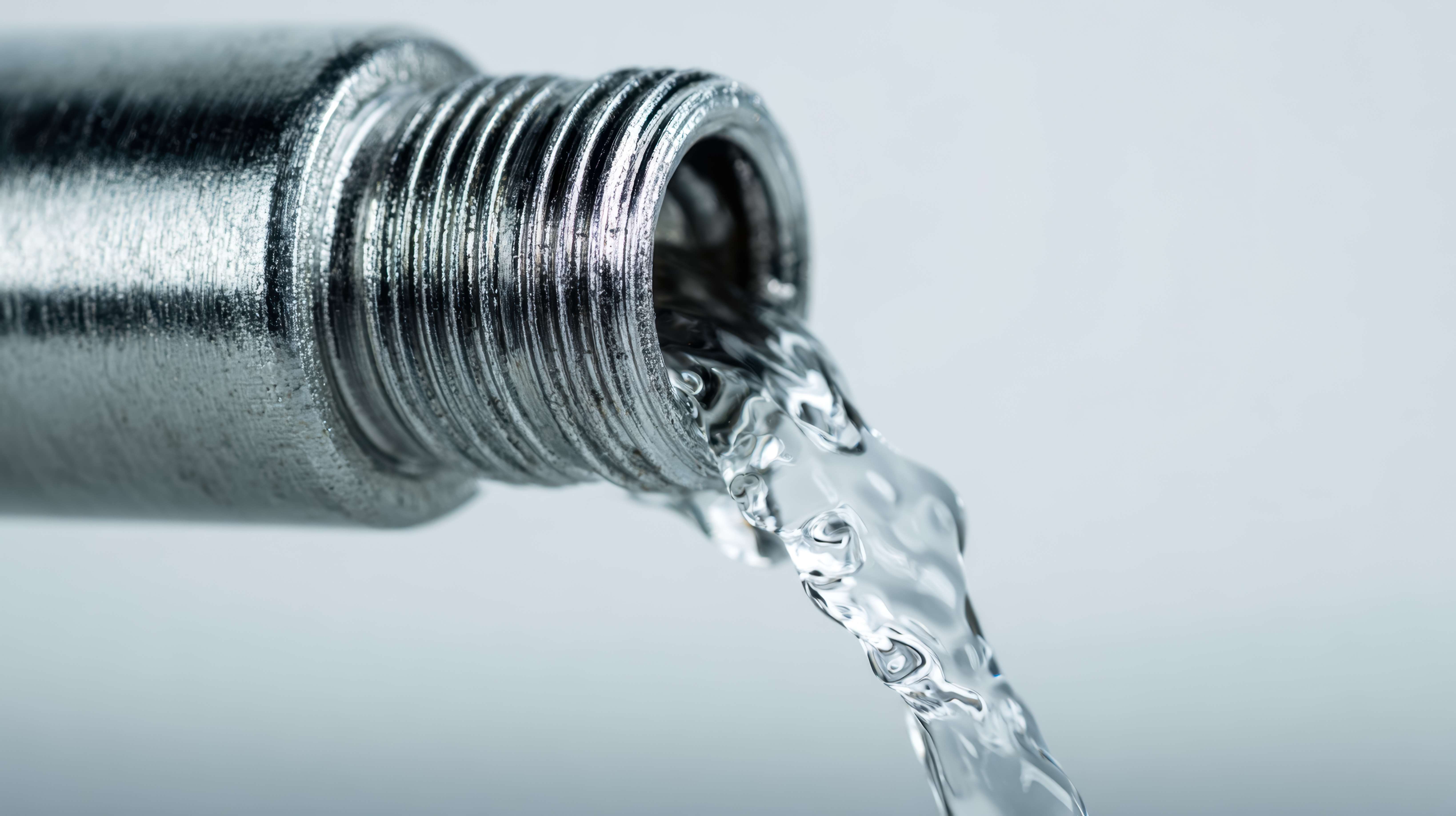
Low water pressure in Tennessee homes can result from plumbing leaks, mineral buildup, outdated pipes, or pressure regulator issues. Identifying the root cause early and using professional plumbing solutions such as booster pumps or pipe upgrades can help restore consistent water flow and improve overall household comfort.
Low water pressure Tennessee homeowners experience can quickly become frustrating during everyday tasks like showering, laundry, and dishwashing. Weak water flow often signals an underlying plumbing issue that may worsen over time if left untreated.
Low water pressure can stem from several causes, including clogged pipes, plumbing leaks, mineral buildup, aging infrastructure, or problems with the municipal water supply. In some Tennessee homes, fluctuating water pressure may also result from older plumbing systems or increased demand during peak usage times.
Understanding the causes of low water pressure and the available solutions can help homeowners restore proper water flow and improve daily water use throughout the home.
What Causes Low Water Pressure?
Low water pressure is often caused by mineral buildup, plumbing leaks, failing pressure regulators, or outdated pipes.
Over time, hard water minerals and sediment may accumulate inside plumbing lines, restricting water flow throughout the home. Small plumbing leaks can also reduce water pressure significantly, especially when left unnoticed for extended periods.
In some Tennessee communities, fluctuating municipal water pressure or aging infrastructure may also contribute to inconsistent water flow.
According to the EPA WaterSense program, household leaks can waste substantial amounts of water annually and negatively affect plumbing efficiency.
How Do Professionals Fix Low Water Pressure?
Professional plumbers use inspections, pressure testing, and specialized equipment to identify the exact cause of low water pressure.
One common solution involves installing booster pumps, which help increase water pressure throughout the home. Booster pumps are especially helpful for homes with second-story bathrooms, long plumbing runs, or inconsistent municipal water pressure.
Professionals may also recommend replacing aging pipes, repairing leaks, or adjusting pressure regulators to restore proper water flow.
Homeowners researching long-term solutions often explore resources like professional plumbing services to better understand available water pressure improvement options.
- Weak shower pressure
- Slow-filling washing machines
- Inconsistent faucet flow
- Reduced second-floor water pressure
- Water pressure fluctuations during peak hours
- Noisy plumbing pipes
- Slow outdoor hose performance
What DIY Steps Can Homeowners Try?
Some low water pressure issues can be improved with basic maintenance and simple troubleshooting.
Cleaning faucet aerators may help remove mineral buildup that restricts water flow. Homeowners can also inspect visible plumbing for leaks and ensure shutoff valves are fully open.
Older homes with outdated plumbing systems may benefit from pipe upgrades if pressure problems persist despite routine maintenance.
Many homeowners use resources like common water pressure problem guides to identify possible causes before scheduling professional service.
- Clean faucet aerators regularly
- Check for visible leaks
- Inspect shutoff valves
- Flush sediment buildup when possible
- Monitor pressure changes throughout the home
- Schedule professional inspections for persistent problems
Why Does Low Water Pressure Affect Daily Tasks?
Low water pressure reduces the efficiency and comfort of many everyday household activities.
Weak water flow can make showers less enjoyable, increase appliance fill times, and reduce cleaning efficiency during laundry or dishwashing. Inconsistent water pressure may also create frustration when multiple fixtures operate at the same time.
Maintaining proper water pressure helps improve overall household comfort while supporting better appliance performance and plumbing efficiency.
Homeowners interested in improving overall water system performance often explore resources like residential water treatment solutions to better understand whole-home plumbing improvements.
- Longer shower times
- Slow appliance operation
- Reduced cleaning efficiency
- Inconsistent water flow between fixtures
- Poor irrigation performance
- Increased plumbing strain
When Should You Call a Professional?
Persistent or worsening low water pressure problems often require professional plumbing evaluation.
If DIY fixes do not improve water flow, hidden plumbing leaks, pipe corrosion, or pressure regulator failures may be present. Professional plumbers use specialized tools to diagnose these issues accurately and recommend long-term solutions.
Early professional intervention may help prevent larger plumbing repairs and improve the overall reliability of your home’s water system.
Educational resources like the Tennessee Water Tech blog help homeowners stay informed about plumbing performance, water treatment, and household water system concerns.
Local Water Pressure Concerns in Tennessee
Tennessee homeowners may experience low water pressure for several regional reasons, including older plumbing systems, mineral-heavy groundwater, and fluctuating municipal supply conditions.
Rural homes using private wells may also encounter inconsistent pressure caused by pump or pressure tank issues. In growing communities, higher seasonal demand may contribute to temporary pressure fluctuations during peak usage periods.
Because every plumbing system is different, professional inspections help homeowners identify the most effective solutions for their specific water pressure concerns.
Low Water Pressure FAQs
What is the most common cause of low water pressure?
Can clogged pipes reduce water pressure?
Do booster pumps work for homes?
Should low water pressure be inspected professionally?
Can leaks cause low water pressure?
Restore Comfortable Water Flow Throughout Your Home
Low water pressure can affect everything from showers and laundry to appliance performance and daily convenience. Identifying the root cause early helps homeowners avoid larger plumbing issues while improving household comfort and water efficiency.
Professional plumbing inspections, booster pump installations, and plumbing upgrades provide long-term solutions that help restore consistent water pressure throughout Tennessee homes.
If your home is struggling with weak water flow or inconsistent pressure, now is the perfect time to schedule a professional water pressure evaluation and explore solutions designed for your specific plumbing system.