Tennessee’s Hidden Water Challenge
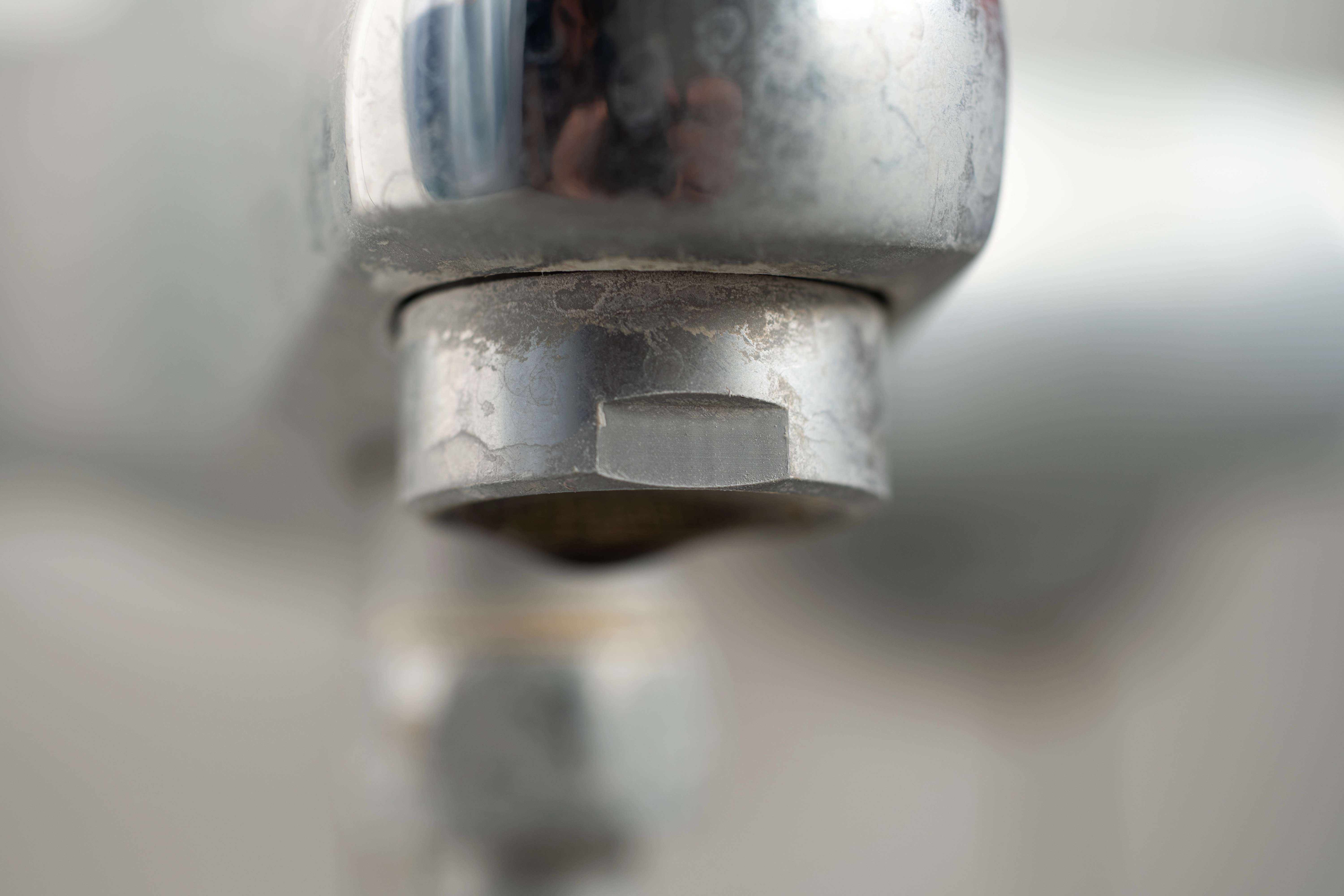
Many homeowners dealing with hard water in Tennessee see the signs every day without knowing the cause. Cloudy dishes, stiff laundry, or white buildup around faucets and showerheads often indicate hard water. While these issues may seem minor, they can quietly affect plumbing, appliances, and overall efficiency—leading to higher maintenance costs over time.
Tennessee’s water moves through limestone and other mineral-rich rock, naturally picking up calcium and magnesium. These minerals aren’t harmful, but they do create challenges inside the home. Common water problems include scale buildup, poor soap lathering, and reduced water pressure, all of which can make daily routines less convenient.
Water hardness can vary widely between neighborhoods, even within the same city. That’s why understanding your specific water quality matters before choosing a solution. Below, we’ll explore how hard water affects Tennessee homes, the effects of hard water on plumbing and appliances, and how a trusted water softener Tennessee homeowners rely on can improve comfort and efficiency.
Understanding Hard Water and Why It Matters
Hard water forms when groundwater absorbs calcium and magnesium as it travels through rock and soil. In Tennessee, limestone-heavy geology makes moderate to high hardness common. The effects of hard water often appear as soap scum, chalky residue, or mineral deposits on fixtures. While easy to overlook, these signs can lead to bigger frustrations over time.
Hard water doesn’t change water safety or taste—it affects performance. Soap and detergents are less effective, and water-using appliances must work harder. This added strain can shorten appliance life and increase energy use. Because no home has perfectly pure water, understanding what’s in yours is key.
The best first step is testing. A professional test shows exactly what your water contains and helps determine whether you need a softener, conditioner, or another system. Homeowners who schedule professional water testing can choose solutions that truly fit their needs. Since no single fix works for every home, expert guidance helps protect plumbing and appliances long term.
The Impact on Plumbing and Appliances
Minerals in hard water don’t stop at visible spots—they build up inside pipes and appliances as scale. Over time, this narrows pipes, lowers water pressure, and reduces efficiency. Water heaters are especially affected when sediment settles at the bottom of the tank, forcing the system to use more energy.
Dishwashers and washing machines also suffer as scale clogs internal parts and reduces performance. Addressing these problems early can help avoid expensive repairs later. Learning about dealing with hard water problems gives homeowners a clearer picture of how to protect their systems and reduce long-term costs.
Interesting Facts About Hard Water in Tennessee Homes
- Many Tennessee homes experience moderate to high mineral levels, leading to scale buildup and appliance wear.
- Hard water affects comfort and efficiency—not safety—by reducing water flow and appliance lifespan.
- Water testing is the only reliable way to confirm hardness and identify other minerals.
- A properly sized whole-home water system can reduce buildup and extend appliance life.
- Softened water often leads to brighter laundry and smoother-feeling skin.
- Scale inside water heaters can increase energy costs over time.
- Because water varies by location, professional testing ensures the best treatment choice.
Effects on Laundry, Skin, and Hair
Hard water often shows up in the laundry room and bathroom first. Clothes may feel stiff or faded, and towels can lose softness. Minerals in detergents react with fabric, leaving residue that reduces fabric comfort and lifespan.
Skin and hair can also feel dry or coated because soap doesn’t rinse cleanly. Many families explore treatment options after noticing these everyday frustrations. Homes that address mineral buildup often report softer laundry and more comfortable showers, as highlighted in the benefits of installing a home water system.
Choosing the Right Water Softener in Tennessee
A reliable water softener Tennessee homeowners choose usually depends on water hardness and household needs. Salt-based softeners remove calcium and magnesium, reducing scale and improving soap performance. Salt-free conditioners don’t soften water but help limit mineral buildup on surfaces.
Whole-home systems treat all incoming water, providing consistent results from every tap. Some homes benefit from combining softening with other water filtration solutions to address additional concerns.
Why Water Testing Comes First
Before selecting equipment, testing is essential. Water quality varies across Tennessee, and hardness may not be the only issue. A professional water quality test reveals mineral levels and other factors so systems can be matched correctly.
Without testing, homeowners risk choosing solutions that don’t fully address their needs. Since no two homes are alike, professional insight ensures better results and long-term efficiency.
A Smart Long-Term Investment
Installing a water softener can reduce appliance wear, lower energy use, and cut down on maintenance costs. Soaps work better, less product is needed, and systems run more efficiently. Over time, these savings add up.
Beyond cost benefits, softened water improves comfort—from fresher laundry to more enjoyable showers. Many homeowners see these upgrades as both a lifestyle improvement and a smart investment.
Creating a Home That Works With Your Water
Hard water Tennessee homeowners face can quietly affect plumbing, appliances, and daily comfort. While not harmful, mineral buildup makes home care more demanding. Understanding your water is the first step toward improving your home’s performance.
Because every home is different, the right solution depends on accurate testing and professional guidance. A properly sized system can protect appliances, improve efficiency, and make everyday tasks easier. Speaking with a local water treatment specialist can help you choose the best path forward.
Take the First Step Toward Better Water
Managing hard water isn’t about quick fixes—it’s about finding the right balance. Professional guidance helps you make confident choices that improve comfort and protect your home. If you’re ready to move forward, you can request a water softener consultation today and start enjoying water that works better for your home.