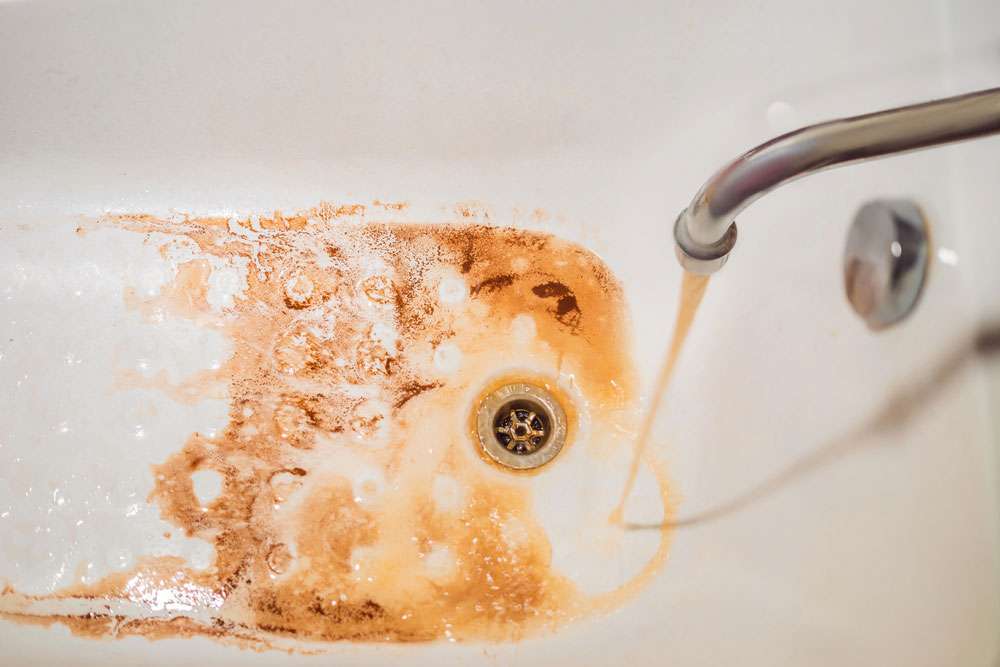
Iron bacteria in Tennessee well water often cause stains, odors, and flow restrictions by forming sticky biofilms. They’re typically a nuisance issue rather than a direct health hazard, but they can clog plumbing and increase maintenance costs over time.
Lasting relief usually requires testing plus a tailored treatment plan (often combining disinfection, oxidation, and filtration) rather than a one-time DIY fix.
Why is iron bacteria in well water so common in Tennessee?
Iron bacteria show up frequently in Tennessee wells because many groundwater sources contain dissolved iron, and iron bacteria thrive where iron + oxygen are present. Once introduced (during drilling, repairs, or through a compromised well cap/casing), these organisms can colonize surfaces and build a sticky biofilm inside the well and plumbing network.
In practical terms, this means a well can run “fine” for a while and then suddenly start producing orange staining, slime in toilets, or a new odor—especially after seasonal changes, flooding, construction, or pump work that stirs up the system.
What are iron bacteria, and what do they do to your well system?
Iron bacteria are microorganisms that use iron in their life processes, creating rust-colored deposits and slimy films that cling to pipes, fixtures, pumps, and filters.
The biggest headaches are mechanical and aesthetic:
If you’re seeing these issues alongside other well water concerns, it helps to review common water problems so you can distinguish iron bacteria from sediment-only or hardness-only issues.
What are the most reliable signs of iron bacteria in a Tennessee well?
The most reliable signs are recurring orange-brown stains plus slimy buildup—especially in toilet tanks, where water sits and biofilms form easily.
- Slime in toilet tanks: Reddish-brown or yellowish-orange film.
- Fast-return staining: Rust-colored marks that reappear shortly after cleaning.
- Odor changes: Musty/earthy or metallic smells; biofilms can protect microbes from disinfectants in plumbing systems.
- Filters clogging quickly: More frequent cartridge changes than usual.
- Lower water pressure: Especially if it worsens over time without an obvious plumbing leak.
Because multiple water issues can look similar, the most efficient path is testing. Tennessee homeowners can start with a professional water quality test and (if needed) a broader look at why well water testing matters before investing in equipment.
Are iron bacteria in well water dangerous to your health?
Iron bacteria are generally considered not hazardous to health, but they can create troublesome well problems and biofilms that complicate system performance.
Even when something isn’t typically a direct health hazard, biofilms can still be a problem for the well and plumbing because slime layers help microorganisms stick to surfaces and can make disinfection less effective in pipes.
Bottom line: treat iron bacteria seriously as a system reliability issue, and use testing to rule out any additional concerns that may require different treatment steps.
Should you shock-chlorinate a well for iron bacteria?
Shock chlorination can reduce iron bacteria temporarily, but it’s often not a permanent fix when conditions remain favorable for regrowth.
Many well owners try a one-time disinfection and feel relief—then the staining, slime, or odor returns weeks or months later. That’s typically a sign the system needs a more durable approach, such as:
- Thorough mechanical cleaning (when feasible) to remove biofilm buildup
- Oxidation + filtration to address iron and prevent new buildup
- Ongoing disinfection in cases where recurring bacterial activity is confirmed
If you’re unsure whether chlorination makes sense for your well’s setup, starting with well services and professional evaluation can help you avoid spending money twice.
What treatment options work best for iron bacteria in Tennessee well water?
The best treatment depends on your water chemistry and how severe the biofilm buildup is, which is why testing and system inspection matter so much.
That said, proven approaches commonly used for iron-related well issues include oxidation and filtration, aeration followed by filtration, chemical oxidation followed by filtration, and (in some cases) ion exchange softening depending on iron form and concentration.
Targets dissolved iron and helps reduce the conditions iron bacteria like. Many homeowners explore water filtration solutions that are designed for iron-heavy well water.
Useful when testing confirms recurring bacterial activity. This can include periodic disinfection and a filter setup that prevents rapid re-fouling.
When multiple issues stack (iron + odor + sediment), a customized plan from residential water treatment solutions often delivers the best “set it and forget it” results.
If you want to see typical equipment categories used for iron and well water challenges, you can browse treatment products and then confirm what actually fits your water through a test-driven recommendation.
Whole-home vs. point-of-use treatment for iron bacteria: which makes sense?
Whole-home treatment is usually the better fit for iron bacteria symptoms because staining, odors, and slime are plumbing-wide issues—not just drinking-water issues.
A point-of-use system (like an under-sink drinking water unit) can improve the taste of water at one tap, but it won’t stop toilet tank slime, laundry staining, or pressure loss. For most Tennessee well homes, iron bacteria is best handled with a point-of-entry solution that treats water as it enters the home—then optionally adding a drinking system if you want extra polishing at the kitchen sink.
Local Authority: Where Tennessee well owners commonly run into iron bacteria
Iron and iron bacteria concerns are common across Tennessee’s well-dependent communities, including Davidson County (Nashville), Knox County (Knoxville), Hamilton County (Chattanooga), Rutherford County (Murfreesboro), Montgomery County (Clarksville), and Williamson County (Franklin). Even within the same county, results can vary by neighborhood, aquifer, and well depth—another reason a test-based plan matters. For local support, check areas we serve.
When should you call a professional instead of trying DIY fixes?
You should call a professional when symptoms keep returning—especially if you’ve already cleaned fixtures, replaced filters, or tried a one-time disinfection and the problem comes back.
A specialist can evaluate the well, confirm whether you’re dealing with iron bacteria (and not just iron sediment), and design a solution that won’t over-treat or under-treat your water. Start with well services or schedule a conversation through book a call with a water treatment specialist.
FAQ: Iron bacteria in well water for Tennessee homes
These are the questions Tennessee well owners ask most often when stains, slime, and odors show up. For broader guidance, see frequently asked questions.
How do iron bacteria get into a well?
Iron bacteria usually come from surrounding soil and groundwater and can enter during drilling, repairs, or through unsealed well caps and compromised components. Once introduced, they can colonize well and plumbing surfaces where iron and oxygen are present.
Can iron bacteria cause low water pressure?
Yes—biofilms can narrow pipes and foul pumps and valves, gradually reducing flow and pressure.
Is rusty slime always iron bacteria?
No—sediment, iron oxidation, and certain plumbing issues can mimic the appearance, which is why a water quality test is the best way to confirm the cause.
Will a standard water softener remove iron bacteria?
No. Standard water softeners are not designed to control bacterial biofilms. Iron bacteria control typically requires disinfection and/or oxidation with filtration, based on water testing and system evaluation.
How do you prevent iron bacteria from coming back?
Prevention usually involves correcting entry points (seals/caps), maintaining the well system, and using a treatment plan designed for your specific water chemistry—often oxidation and filtration plus maintenance based on test results.
Next steps: Get a clear diagnosis and a plan that lasts
If you’re dealing with recurring stains, slime, odors, or pressure drops, you don’t have to guess. Start with a professional water quality test, then review treatment options with a specialist who understands Tennessee well conditions. If you want to take action now, you can request a call back to schedule testing and discuss the best long-term fix for your home.